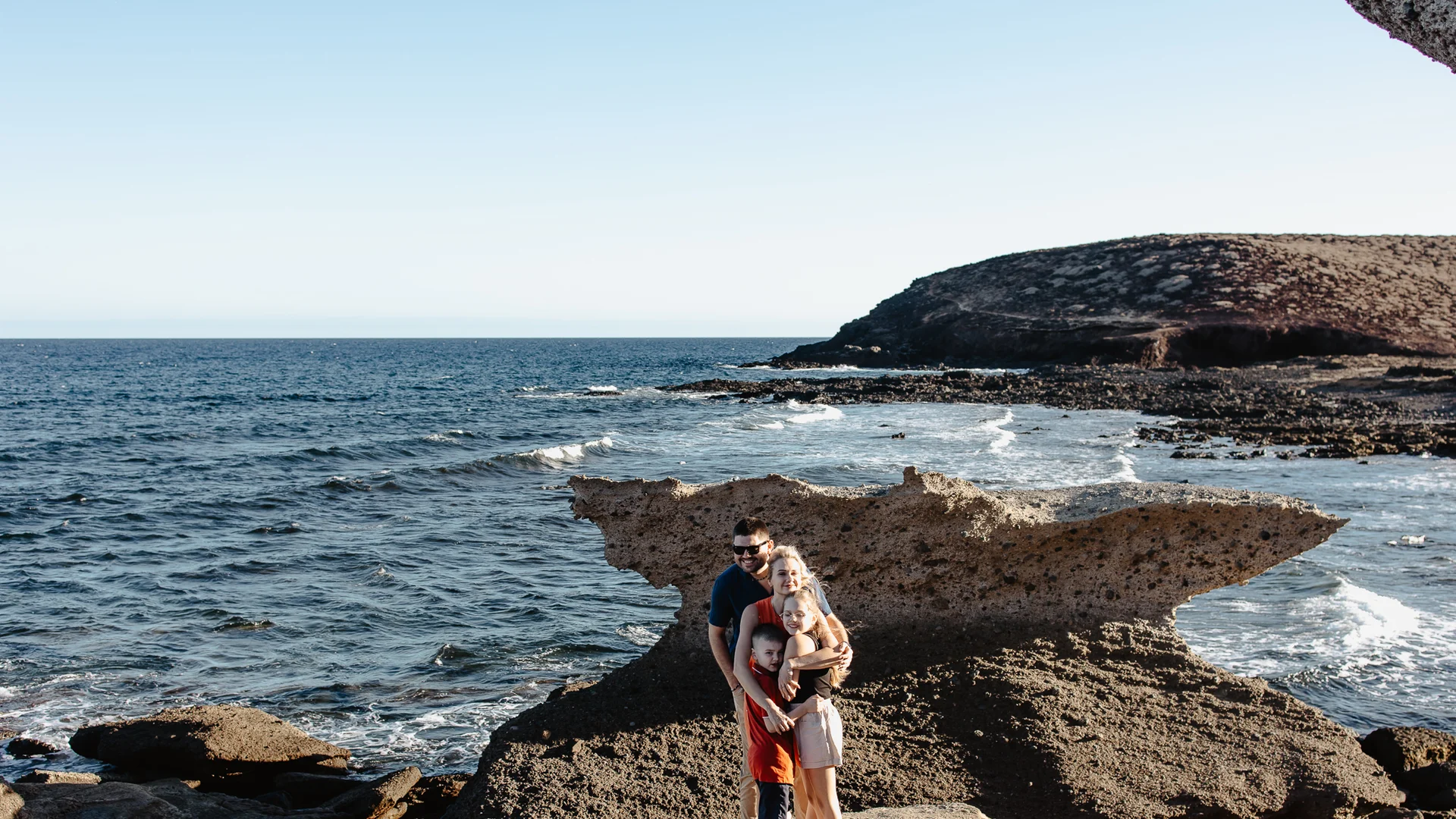

Abades, the Leper City?
Doesn't sound very appealing, does it?
And yet... many people want to see this place precisely for that reason.
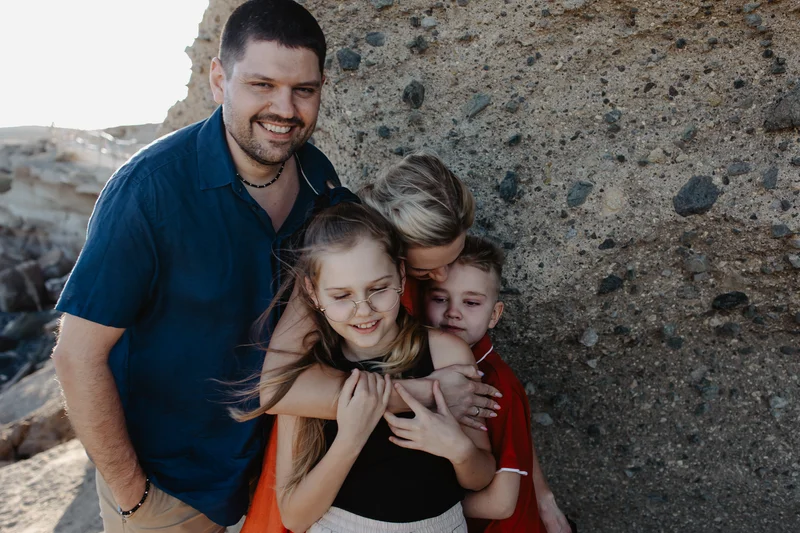
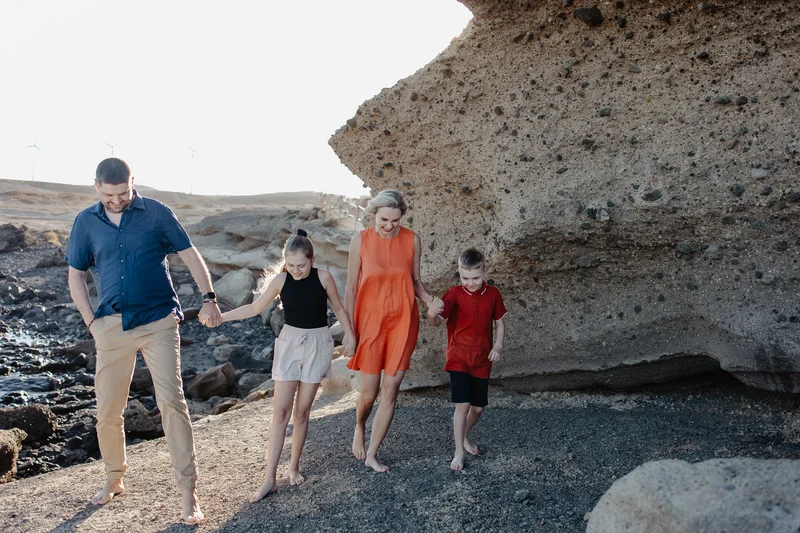
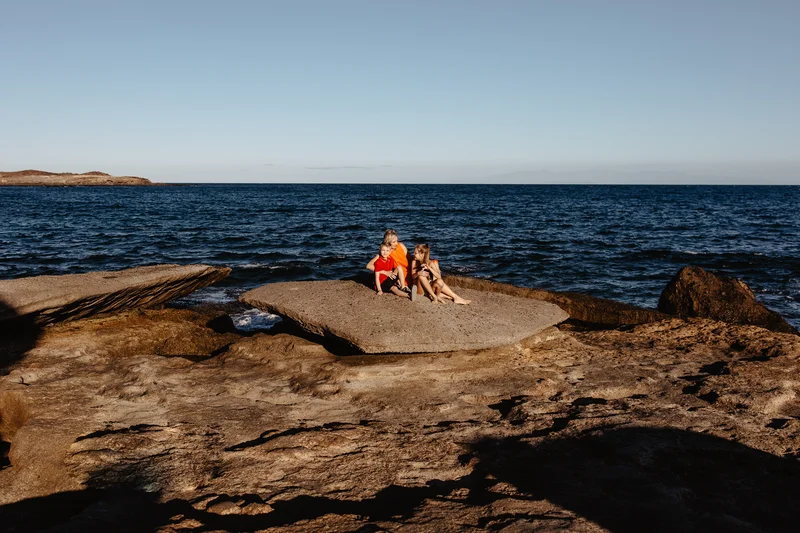
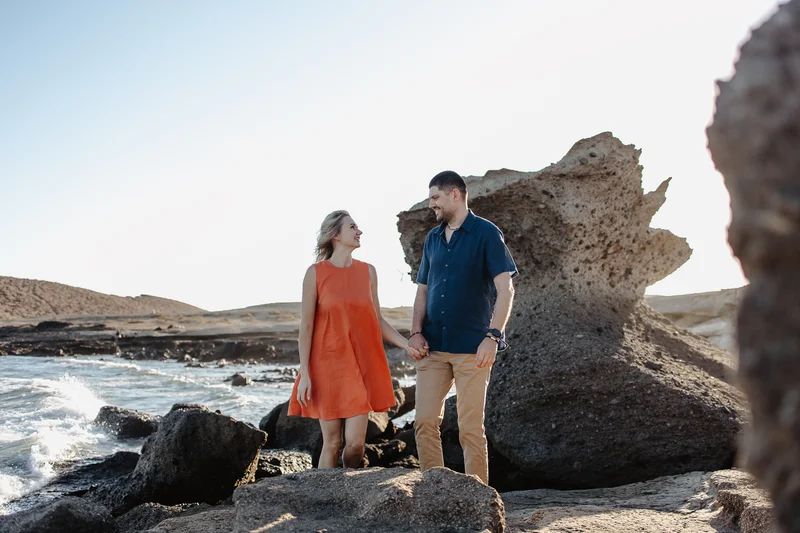
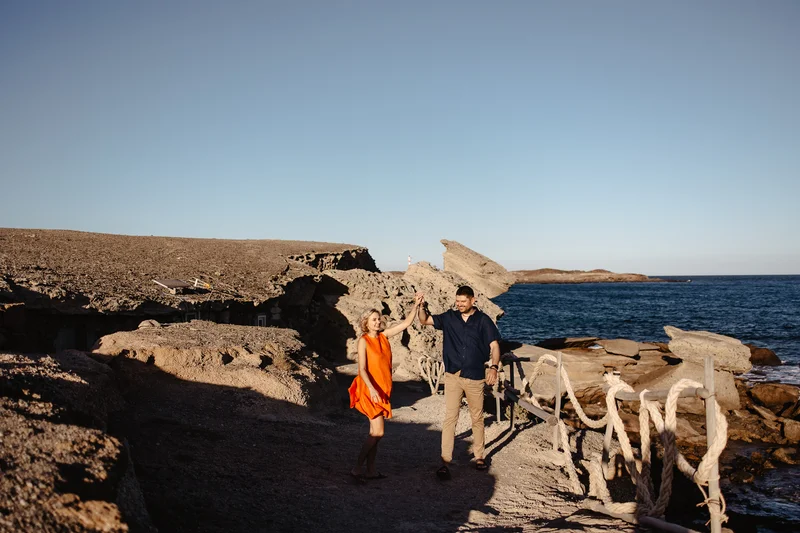
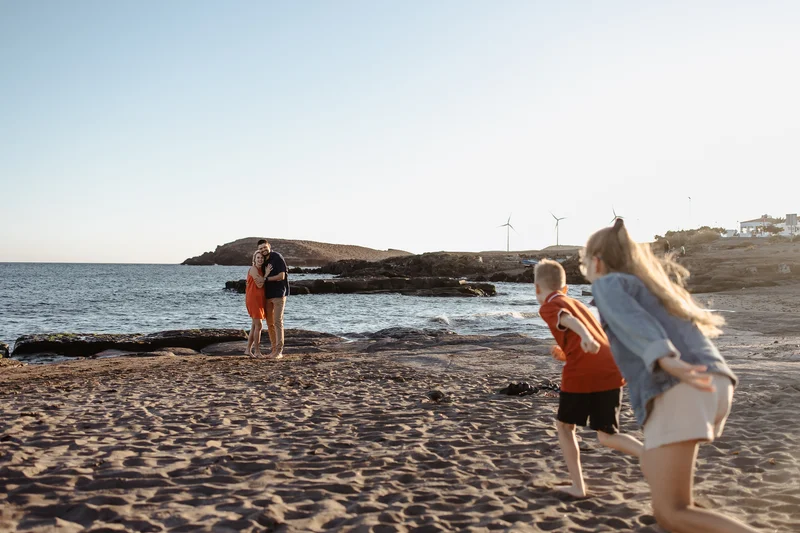
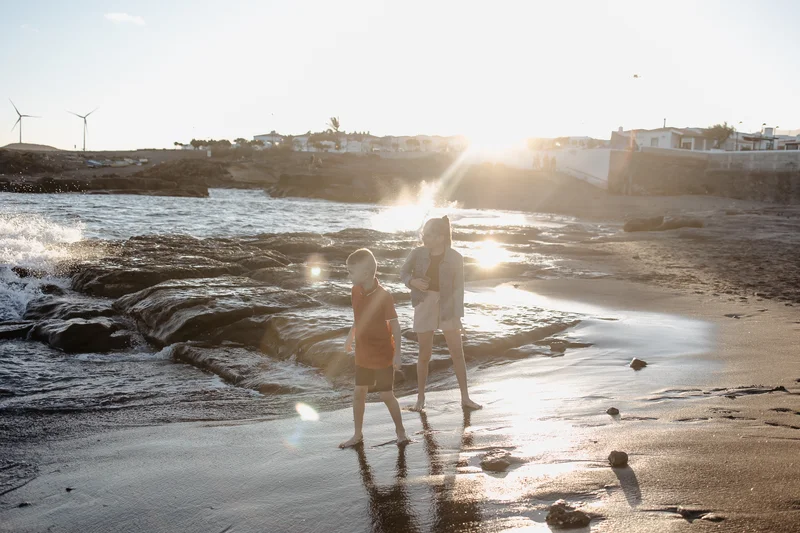
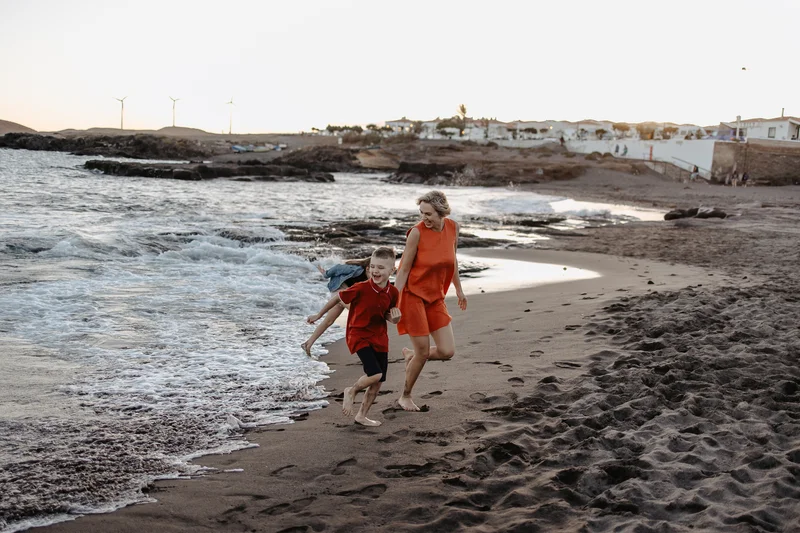
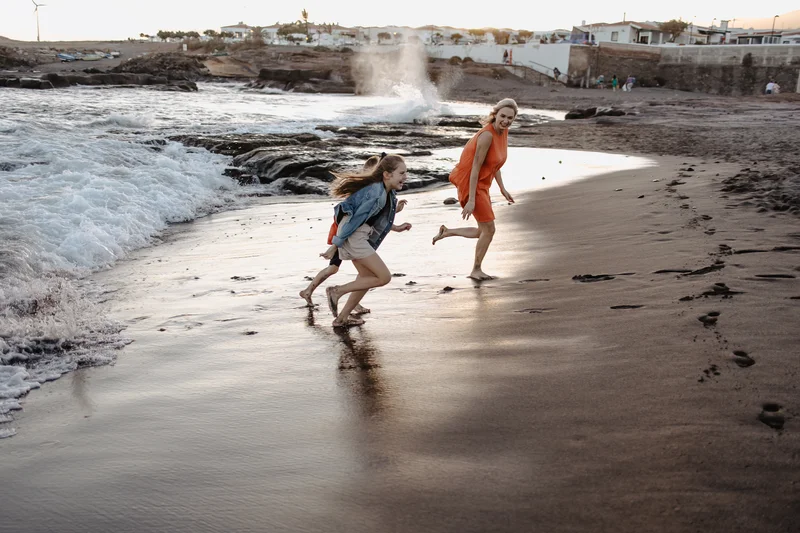
However, we went there for the purpose of taking photos, and spent time on the beach and rocks.
So what is the history of this place?
Abades is a small town on the southeastern coast of Tenerife, one of the Canary Islands in Spain.
Although it's a place less known than more popular resorts like Playa de las Américas or Los Cristianos, Abades has its own charm that attracts tourists seeking a quieter atmosphere.
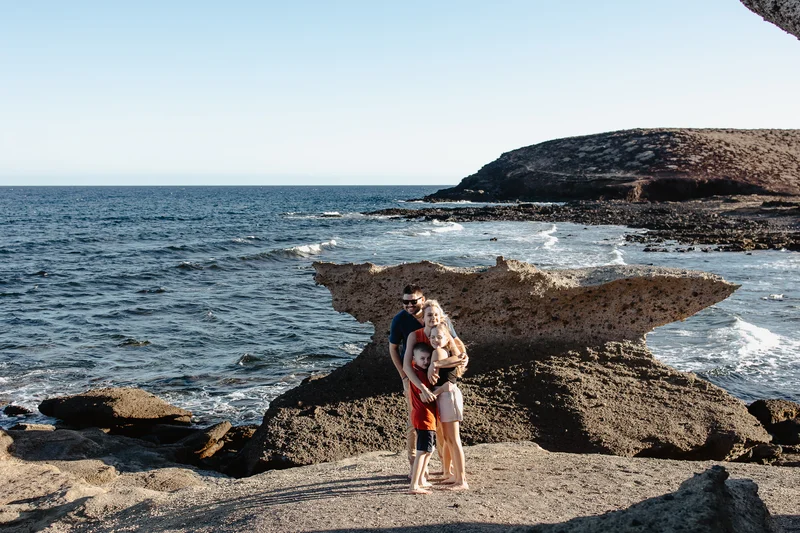
Abades, Tenerife
Sanatorium de Abona in Abades, Tenerife is one of the more mysterious places connected to the history of this island.
This place, also known as the "Sanatorium for Lepers," gained popularity thanks to its architecture and history that arouses great interest.






History of Sanatorium de Abona
Sanatorium de Abona was built in the 1930s.
At that time, in the Canary Islands, as in many other places in the world, leprosy (also known as Hansen's disease) was a serious health problem.
Leprosy was widespread in many regions, including Spain, and people infected with this disease were often isolated in special leprosy colonies or sanatoriums.
The sanatorium in Abades was one of such places, intended for people suffering from leprosy who were isolated from the rest of society.
During this period, people with leprosy were often treated with great stigmatization and forced to live in isolation, far from their families and friends.
For this reason, such sanatoriums were built on the outskirts of cities, away from other people, to prevent the spread of the disease.
















Fall of the Sanatorium
In 1945, just two years after construction began, the medical world made a breakthrough.
An antibiotic called Dapsone was discovered, which proved to be an effective treatment for leprosy.
The disease that had been synonymous with suffering and isolation for centuries suddenly became less threatening, and the construction of Sanatorium de Abona lost its purpose.
As a result, the buildings were never completed, and no person with leprosy ever lived in the newly created settlement.
The buildings were gradually destroyed by time and neglect, which means they are now in ruins.



























Current State
Today, Sanatorium de Abona is one of the abandoned and forgotten places in Tenerife.
The buildings are in poor condition, and the entire complex is surrounded by legends and stories that attract tourists and researchers of the island's history.
This place is often visited by photography enthusiasts, urbex (urban exploration) enthusiasts, and those interested in the history of leprosy and abandoned places.














A Place of Historical Significance
Although we focused on a different area of Abades.
We could go crazy, run around and have fun!